

Tendonitis and ligament injuries are common musculoskeletal conditions that significantly impact mobility and quality of life. Whether caused by sports, repetitive strain, or accidental trauma, these injuries often result in pain, inflammation, and reduced function. Modern physiotherapy techniques have introduced non-invasive treatments like ultrasound therapy, which uses sound waves to promote healing and reduce discomfort.
Many physical therapists and sports medicine specialists recommend using an ultrasound physiotherapy machine to accelerate recovery. These devices deliver high-frequency sound waves deep into the tissues, stimulating circulation and reducing inflammation in a way that traditional treatments may not achieve as quickly. Therapeutic ultrasound has become a trusted option for both acute injuries and chronic tendon or ligament issues.
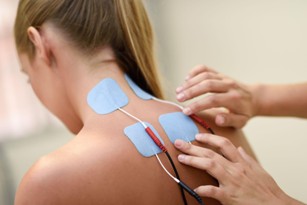
Alongside ultrasound therapy, complementary tools like a TENS machine are often used to manage pain and support recovery. While ultrasound therapy focuses on healing tissues, TENS (Transcutaneous Electrical Nerve Stimulation) targets pain signals, making the combination a comprehensive approach to rehabilitation. Understanding how these technologies work together can help patients make informed choices about their treatment plans.
How Ultrasound Therapy Works
The therapy uses high-frequency sound waves, typically 1–3 MHz, to penetrate the skin and reach injured tissues. These sound waves create gentle vibrations at the cellular level, generating heat in the deeper layers of muscles, tendons, and ligaments. This process helps improve blood circulation, reduce swelling, and speed up the healing of damaged fibers.
There are two main types of therapy:
Thermal Ultrasound: Produces heat to relax muscles and improve tissue flexibility.
Mechanical (non-thermal) Ultrasound: Uses pressure changes to stimulate cellular activity and promote tissue repair without significant heat generation.
Combining these effects makes it an excellent option for treating tendonitis and ligament injuries, as it addresses inflammation and structural repair.
Benefits for Tendonitis
Tendonitis, the inflammation of a tendon, often occurs in areas like the shoulder, elbow, knee, or wrist. Repetitive movements, sports activities, or improper biomechanics can trigger this painful condition. This therapy provides several benefits for managing tendonitis:
- Reduced Inflammation: The therapy helps break down inflammatory mediators and improves fluid exchange in the affected area.
- Accelerated Healing: Increased blood flow brings essential nutrients and oxygen to the tendon, speeding recovery.
- Pain Relief: Ultrasound waves can reduce nerve sensitivity, providing a soothing effect on pain.
- Improved Mobility: Loosening stiff tissues makes regaining the normal range of motion easier.
Patients often notice improvement after several therapy sessions, especially when combined with stretching and strengthening exercises recommended by a physiotherapist.
Benefits for Ligament Injuries
Ligaments are fibrous tissues that connect bones, and injuries such as sprains or tears can be debilitating. Due to limited blood supply in these tissues, recovery from ligament injuries is often slow. Ultrasound therapy offers targeted benefits:
Enhanced Blood Flow: Even in poorly vascularized ligaments, ultrasound improves nutrient delivery to damaged fibers.
Collagen Production Stimulation: This helps the ligament regain its strength and elasticity.
Pain Reduction: The therapy reduces discomfort, enabling patients to participate more actively in rehabilitation exercises.
Reduced Scar Tissue Formation: It can prevent stiffness and long-term complications by improving tissue elasticity.
When used under professional supervision, this therapy becomes a powerful tool in restoring ligament function and preventing reinjury.
Incorporating Ultrasound Therapy Into Rehabilitation
Ultrasound is the most effective therapy when integrated into a comprehensive rehabilitation plan. Physical therapists typically combine it with:
Stretching and Strengthening Exercises: To restore flexibility and build supporting muscle strength.
Manual Therapy: Such as massage or joint mobilization to complement the ultrasound’s effects.
Supportive Devices: Braces or taping techniques may stabilize the injured area during recovery.
Lifestyle Modifications: Avoiding activities that aggravate the injury ensures steady progress.
Frequency and duration of therapy sessions vary depending on the severity of the injury and the individual’s healing rate. Most patients require multiple weekly sessions for several weeks to achieve optimal results.
Safety and Precautions
The therapy is generally safe when administered by trained professionals, but certain precautions must be observed:
- Avoid applying ultrasound directly over broken bones, open wounds, or areas with metal implants unless advised by a medical professional.
- Pregnant individuals should not use this therapy on the abdomen or pelvic regions.
- People with blood-clotting disorders, cancerous lesions, or certain heart conditions should consult a physician before undergoing treatment.
- Proper technique, including a coupling gel, is crucial to ensure effective transmission of sound waves and prevent burns or irritation.
Following these guidelines helps ensure that ultrasound remains a safe and beneficial part of rehabilitation.
At-Home Use and Professional Guidance
Portable ultrasound physiotherapy devices are now available for home use, offering convenience for ongoing recovery. However, it’s essential to seek professional guidance before starting at-home treatments. A physiotherapist can teach proper application techniques, recommend session durations, and monitor progress to ensure safety and effectiveness.
Combining ultrasound with other self-care practices like rest, gentle stretching, and anti-inflammatory measures can improve outcomes. Patients should also be consistent with their therapy schedule, as irregular use may delay healing.
In some cases, healthcare providers may recommend alternating ultrasound therapy with other modalities like cold therapy, heat packs, or TENS treatments to provide comprehensive pain management and tissue repair support.
A Proven Ally in Recovery
Ultrasound is a cornerstone of modern physiotherapy for tendonitis and ligament injuries. Its ability to reduce inflammation, stimulate tissue repair, and relieve pain makes it a preferred choice for athletes, active individuals, and those recovering from accidental injuries. When used correctly in a clinical setting or under professional guidance at home, the therapy can significantly shorten recovery time and improve overall outcomes.
By understanding how this therapy works and incorporating it into a well-rounded rehabilitation plan, patients can regain mobility, prevent reinjury, and return to regular activities with greater confidence. This safe, non-invasive treatment continues to prove its value as an essential tool in musculoskeletal healing and recovery.